
The acquisition
Back in the late 60’s and early 70’s, Fiberfab ran ads in magazines like Car and Driver, and Popular Mechanics, touting how easy their kits were for anyone to assemble. But, judging from how many unfinished Valkyries came up for sale across the country, they were anything but easy to complete.
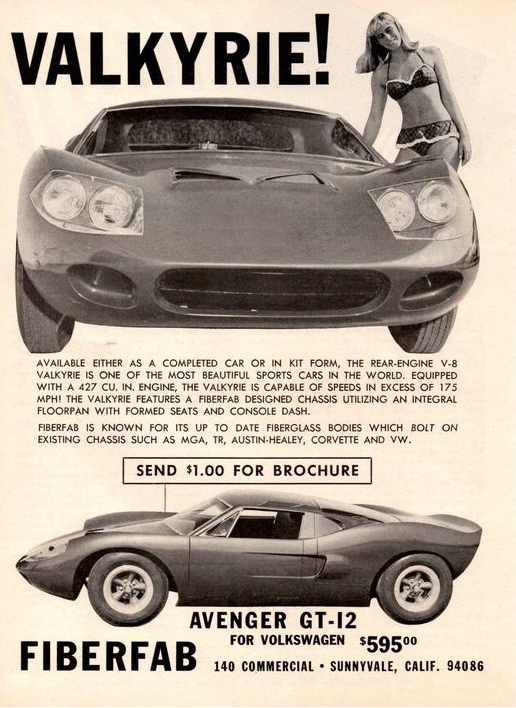
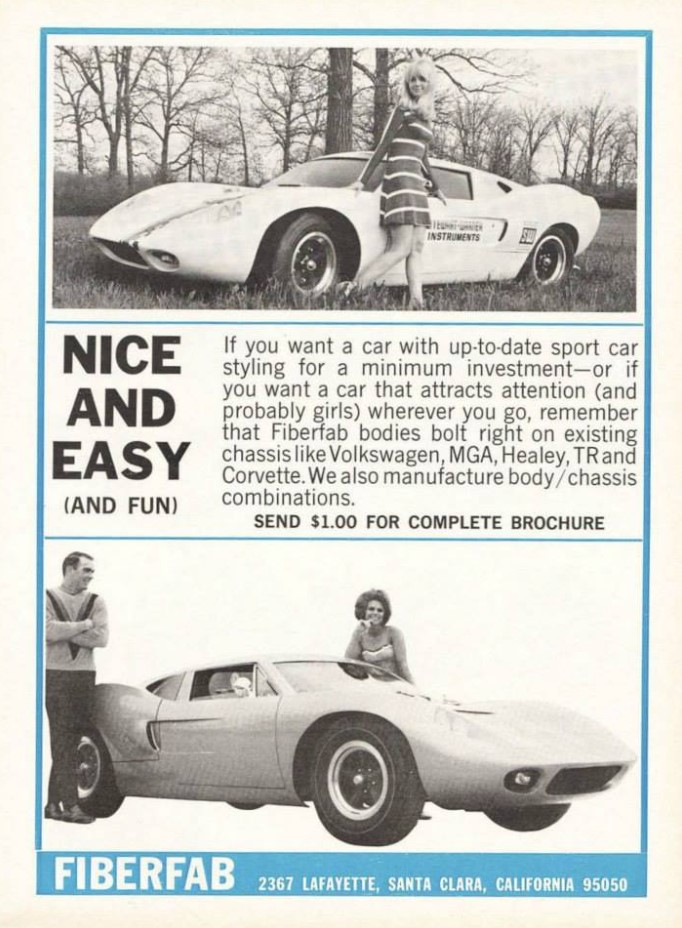
Around July of 1976, a close friend alerted me to an ad in a local newspaper for an unfinished Valkyrie kit for sale about 30 miles from where I lived. He knew this was something I would find hard to resist, and I made arrangements to check it out. Upon inspection, it seemed like a fair deal. Although the fiberglass body was sitting on the steel tube frame, if I purchased it, I knew I would basically be starting from “step-1” in the build process. On the plus side, it came with a number of parts that I would have had to source from donor cars in a salvage yard.
A Chevy V8 engine in (unknown condition) which was already in the chassis, bolted to a Corvair 4-speed trans-axle using the adapter and the required modifications that were part of the original Valkyrie kit.
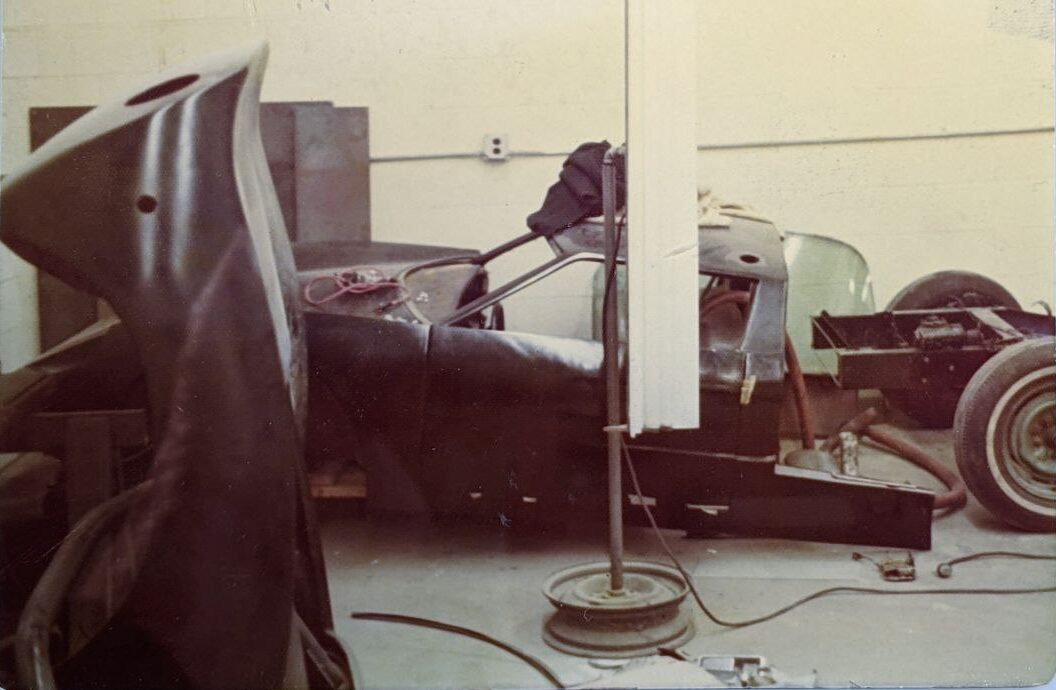
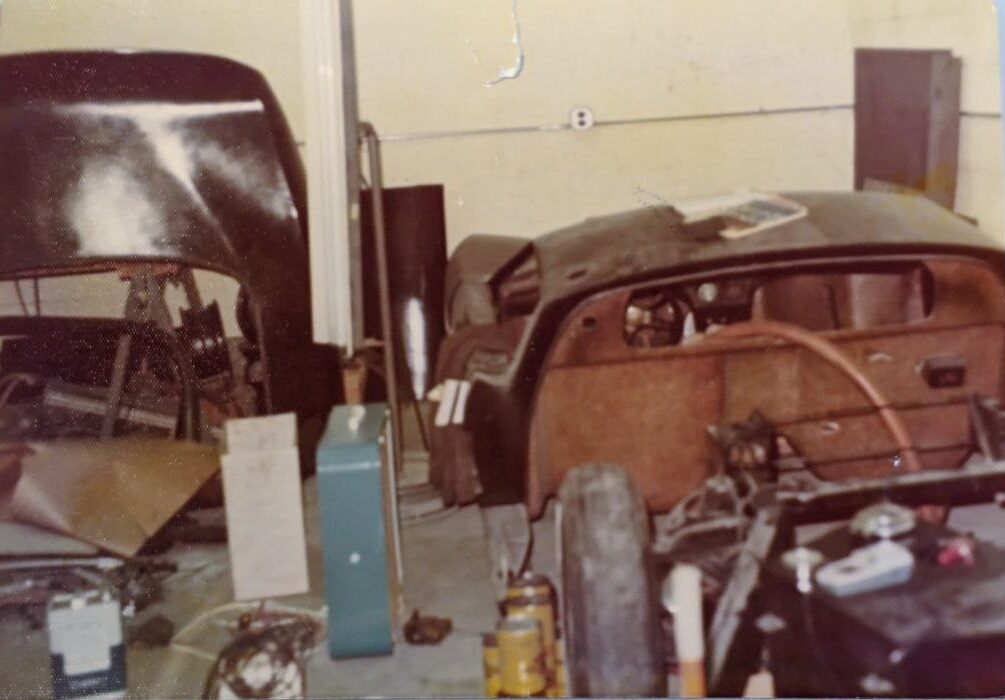
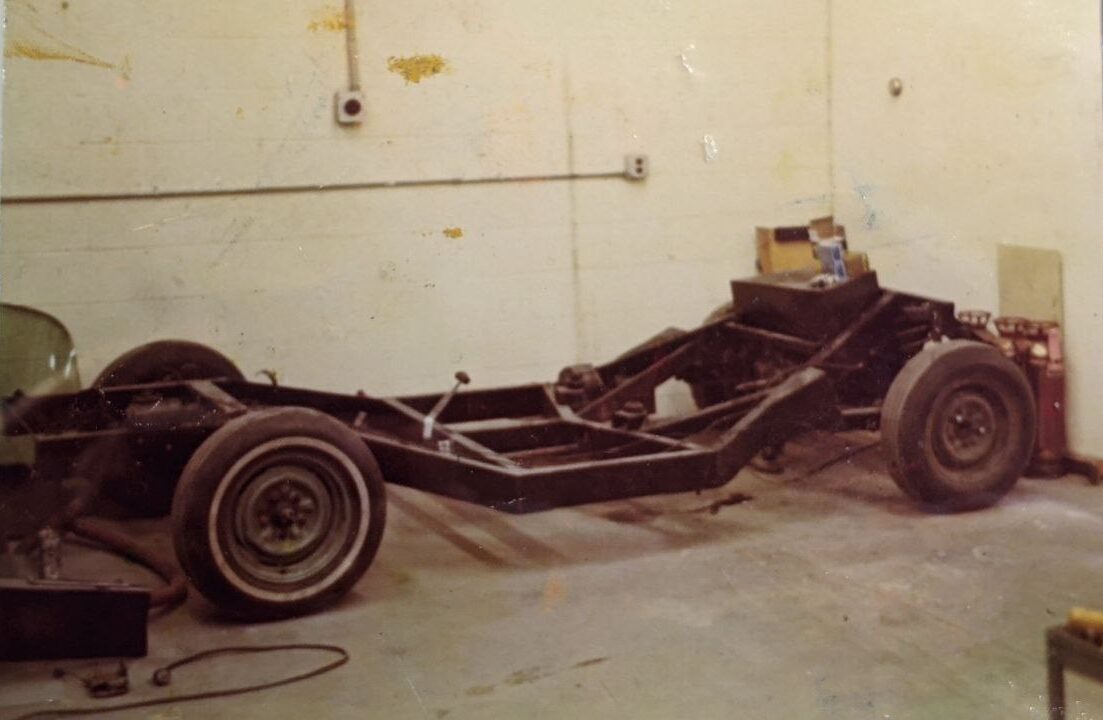
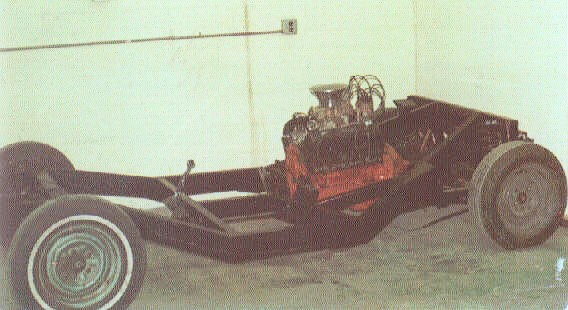
I purchased this Fiberfab Valkyrie for $900. At the time, it was clear I was mostly getting a loose collection of parts. Yes, Corvair front and rear suspension was bolted onto the frame giving it the appearance, at first glance, that a substantial amount of work was already done. But after agreeing on the price and getting it home, reality gradually set in; there was a ton of work needed. The body had to come back off the frame, to say the least. There was no wiring and no plumbing, no brake lines, no windshield, no wipers, no instruments, and no tail lights. At least 1 other person (probably more) had attempted to build it before me, and for unknown reasons gave up.
Over the years following the initial purchase, I made a number of enhancements to my Fiberfab Valkyrie:
- Converting the quad sealed beam headlights to rectangular H4 bulb type units of the same size as those used on the racing Ford GT40 Mk-I and MK-II. This dramatically changes the appearance of the front end.
- Modifying the roof to have T-top style removable roof panels. Weather permitting, it’s much more enjoyable with the open top, and so much easier getting in and out.
- Separating the front section from the main body and make it capable of tilting open. Everything on this car is now easy to access and do maintenance on.
- Replacing the Corvair transaxle with a ZF 5-speed unit, the same type used in the Pantera and early Ford GT40. This was one of the most impactful changes, as it moved the engine back almost 12 inches, which for starters, made normal seats possible.
- Replacing the Corvair rear suspension with a custom design inspired by the Lamborghini Countach. This gave more adjustability and eventually included a rear sway bar.
- Installing wide tires and fender flares: 285/40 front; 345/35 rear. Mounted on 10″ and 12″ wide 3-piece Centerline wheels.
- replacing the Corvair front suspension with a weld-in Jim Meyers Racing tubular A-frame design. The mod included a fast power rack and pinion.
- Replacing the glass Mustang rear window with a custom fiberglass panel with a air scoop to help display the hot air around the engine.
On the linked pages that follow, you will find text and images describing how each enhancement was made.
Next: Getting the Engine Running
Back to the Content Links for this post


